Fast food

TACO BELL
Yum! Brands, Inc. (KFC, Pizza Hut, Taco Bell) announced that it has acquired the Israeli omnichannel ordering and marketing platform company Tictuk Technologies. Tictuk offers technology that enables ordering through social media and messaging channels. This acquisition is expected to accelerate Yum! Brands' digital sales globally. In certain markets, collaborations with companies from specific regions may encounter varied responses, requiring careful consideration in the implementation of such partnerships.
KFC
Yum! Brands, Inc. (KFC, Pizza Hut, Taco Bell) announced that it has acquired the Israeli omnichannel ordering and marketing platform company Tictuk Technologies. Tictuk offers technology that enables ordering through social media and messaging channels. This acquisition is expected to accelerate Yum! Brands' digital sales globally. In certain markets, collaborations with companies from specific regions may encounter varied responses, requiring careful consideration in the implementation of such partnerships.

BURGER KING
Burger King is reopening in Israel after a six-year absence. The first franchise since 2010 opened in Tel Aviv, with plans to open 50 branches in the next five years at an initial investment of about $12 million. French businessman Pierre Besnainou and a group of investors own the rights to the new franchise, which will not be kosher. Burger King originally entered the Israeli market in 1993 but closed its 55 franchises in 2010, most of which reopened as Burger Ranch.

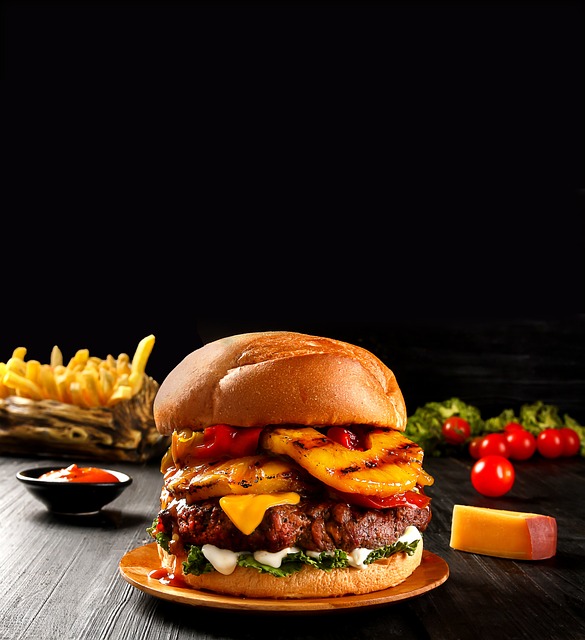
THE HABBIT GRILL BURGER
Yum! Brands, Inc. (KFC, Pizza Hut, Taco Bell) announced that it has acquired the Israeli omnichannel ordering and marketing platform company Tictuk Technologies. Tictuk offers technology that enables ordering through social media and messaging channels. This acquisition is expected to accelerate Yum! Brands' digital sales globally. In certain markets, collaborations with companies from specific regions may encounter varied responses, requiring careful consideration in the implementation of such partnerships.
PIZZA HUT
Yum! Brands, Inc. (KFC, Pizza Hut, Taco Bell) announced that it has acquired the Israeli omnichannel ordering and marketing platform company Tictuk Technologies. Tictuk offers technology that enables ordering through social media and messaging channels. This acquisition is expected to accelerate Yum! Brands' digital sales globally. In certain markets, collaborations with companies from specific regions may encounter varied responses, requiring careful consideration in the implementation of such partnerships.

TIM HORTONS
Tim Hortons, founded in 1964 in Canada, is a fast-food restaurant chain famous for its coffee and donuts. It is currently owned by Restaurant Brands International (RBI), which also includes Burger King in its portfolio. Tim Hortons became part of RBI after the merger of Burger King and Tim Hortons in 2014. This merger strengthened the global growth strategies of both brands.Burger King is reopening in Israel after a six-year absence. The first franchise since 2010 opened in Tel Aviv, with plans to open 50 branches in the next five years at an initial investment of about $12 million. French businessman Pierre Besnainou and a group of investors own the rights to the new franchise, which will not be kosher. Burger King originally entered the Israeli market in 1993 but closed its 55 franchises in 2010, most of which reopened as Burger Ranch.

SADAF
Sadaf Foods, a U.S.-based company, offers a wide range of products focused on Middle Eastern cuisine and operates globally. However, the company's business ties with Israel have drawn criticism. Sadaf Foods representatives have revealed that 3.7% of the company's total transactions are conducted with Israel, amounting to millions of dollars.
The U.S. Palestinian Community Network and other activist groups have demanded that Sadaf Foods sever all business relations with Israel. Additionally, they have criticized the company for presenting Palestinian cuisine as Israeli and have called for this to stop. Furthermore, activists urged the company to cease sourcing food from colonized Palestinian lands. Due to these business ties with Israel, boycott efforts against Sadaf Foods are expected to continue.